

With Ruby, director of landscape design at Farr Landscapes · Landscape design and garden care in Sydney since 1984
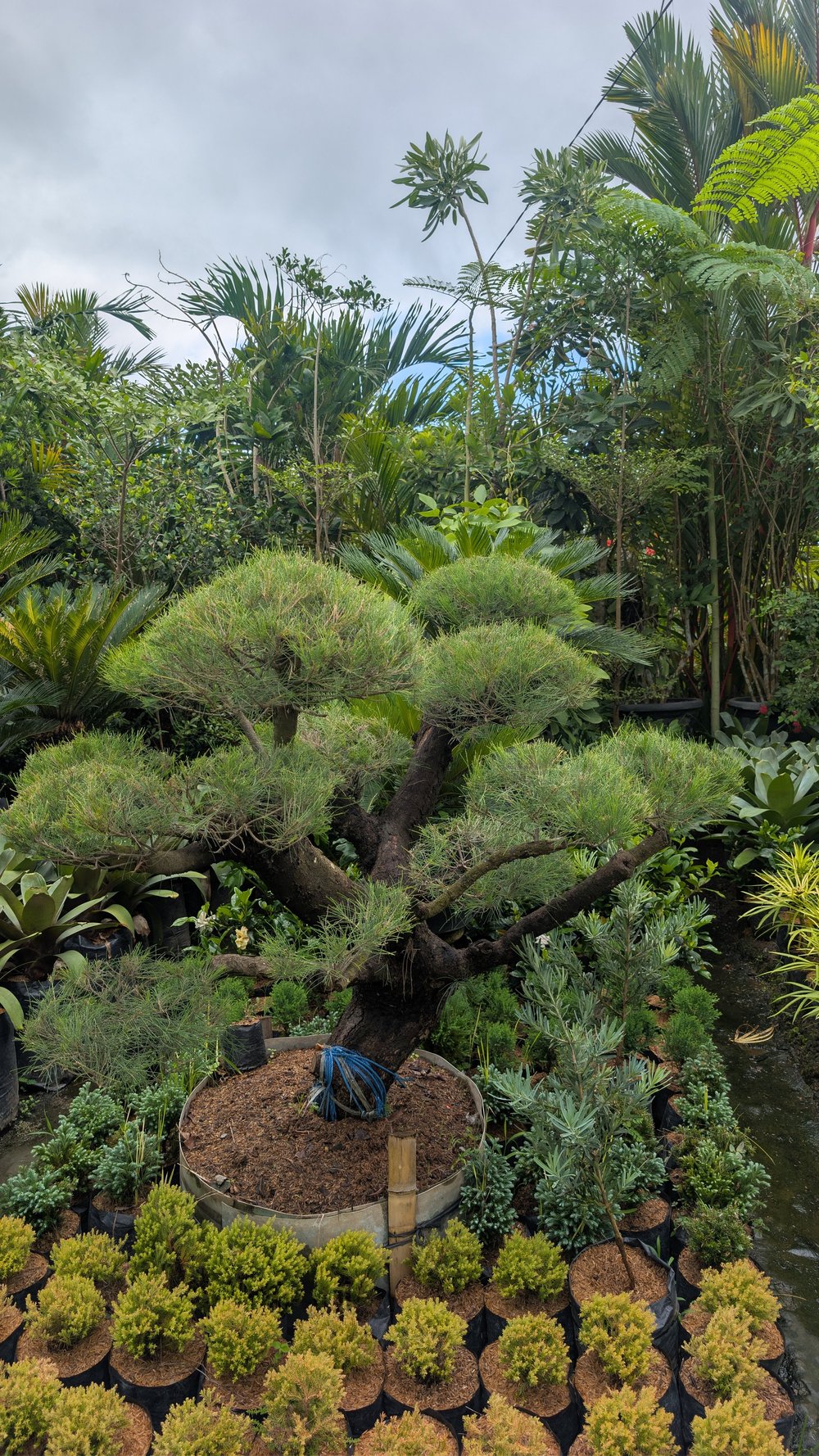
I can't visit Bali without spending a morning in a plant nursery. After our stay at Adiwana, which I wrote about in Bringing Bali home, I spent a morning at a nursery called Billa Garden. It had just rained, the paths were still wet, and every corner was packed with plants.
Nurseries here are nothing like the garden centres at home. Plants sit in rows of black grow bags right up to the edge of the road, under a tangle of power lines, and the big specimens are wrapped in sheets of plastic and tied with rope.
Under the shade cloth
Under the shade cloth it's another world. Staghorns hang overhead, bird's nest ferns and philodendrons crowd the paths, and the calatheas are lined up in rows of painted leaves.
None of this is a stranger to Sydney. Bird's nest ferns are natives of our own east coast, and one of the easiest ways to give a shady courtyard that tropical feel. Staghorns are natives too. They don't give shade; they grow off trees, so they look their best mounted on a trunk or a sheltered wall.
Colour from leaves as well as flowers
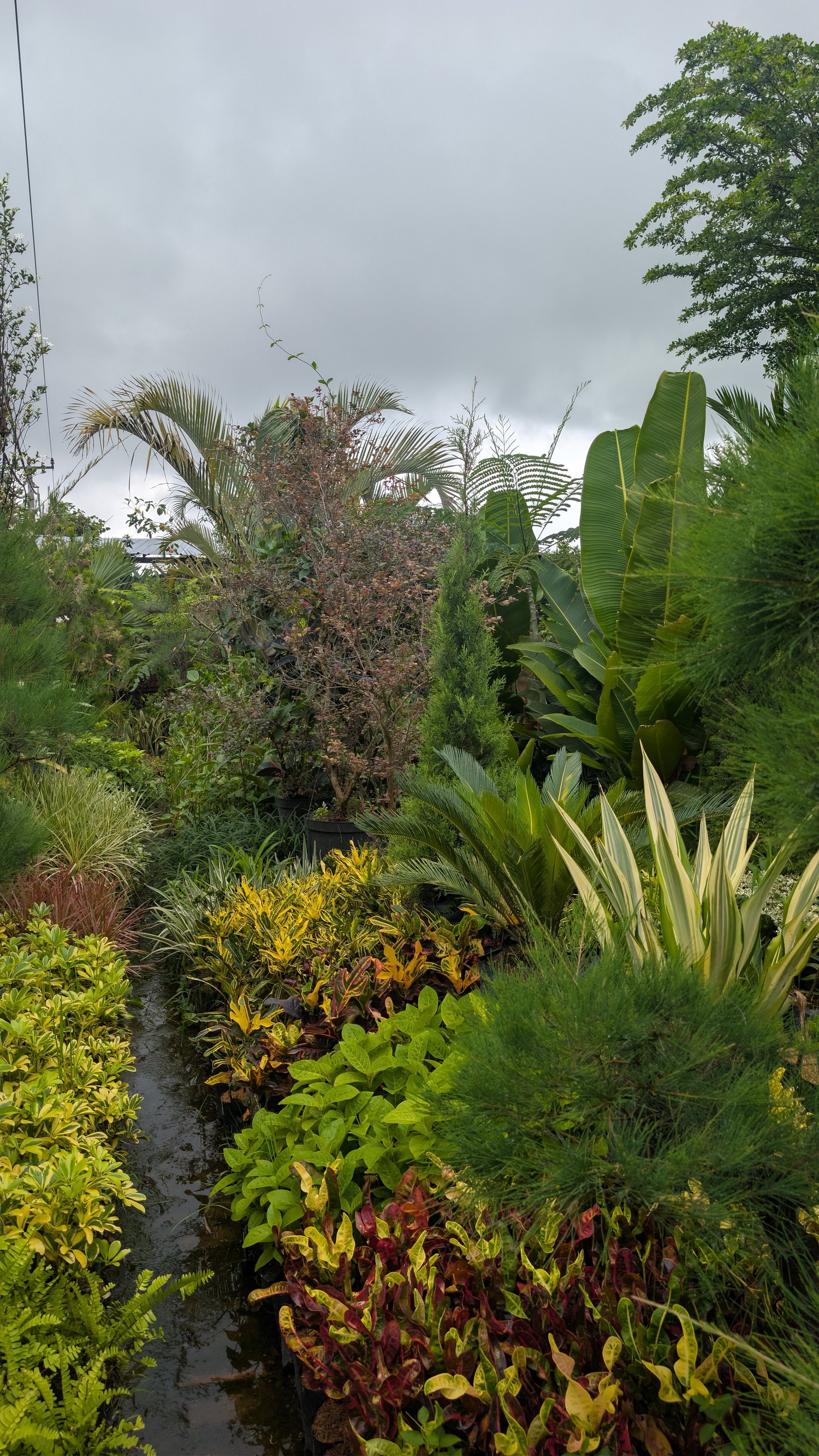
In Bali, a lot of the colour in a garden comes from leaves as well as flowers. Crotons in yellow, red and orange, striped and splashed foliage, the glossy dark green of cycads. Flowers come and go, but foliage like this looks good every day of the year.
We use the same trick in Sydney. Crotons and other coloured foliage do best in a sheltered spot with a canopy overhead to protect them, and with plants that are sun-hardened but sitting in semi-shade. In our Bondi garden renovation, for example, the client loves red, so we're bringing in heliconias, euphorbia and possibly crotons to add shades of red to a green backdrop.
Bali plants that feel at home in Sydney
Walking the rows, I kept ticking off plants we already use in Sydney gardens. Much of the tropical look comes from a handful of reliable performers:
- Frangipani. Happiest in a warm, sunny spot out of the wind. It loses its leaves in winter, which makes it lovely over a courtyard where you want the sun in the cooler months.
- Cordylines. Upright, strappy leaves in deep reds, pinks and lime, and very forgiving in pots.
- Gingers. Lush, leafy clumps for a sheltered spot with moist soil, with flowers as a bonus in the warmer months.
- Elephant ears. Huge leaves that make a courtyard feel tropical almost overnight. They like shelter from strong wind and hot afternoon sun.
- Palms. Height and dappled shade, and the backdrop for everything else. Choose the size carefully for a small garden.
- Crotons and heliconias. The colour, in the warmest, most protected corner you have.
One plant you'll rarely see in our gardens is strelitzia, the bird of paradise. It looks wonderful in Bali, but its roots can push into fences and pipes, so we only use it where there's plenty of room.
How to get the look
- Layer it. Palms or a small tree overhead, broad leaves at eye level, ferns and groundcovers underneath. That's what makes a Bali garden feel full rather than planted.
- Group your pots. The nursery rows are a good lesson: lots of pots together look abundant, while one feature pot on its own can make a statement.
- Plant for the spot. Sun-lovers where the sun is, ferns and gingers in the shade. Putting every plant in the microclimate that suits it is the secret behind the gardens at Adiwana too, and it's how we plant every garden in Sydney.
Not as Balinese as you'd think
One of my favourite books on the subject, Balinese Gardens by William Warren (1995), has a lovely surprise in it. Many of the plants we think of as "Bali" aren't from Bali at all. Frangipani came from the Americas, bougainvillea from Brazil, the hibiscus from China. Red gingers and heliconias were still fairly rare on the island only a few decades before the book was written. Many arrived through the great botanical gardens at Bogor in Java, others with plant collectors and the landscape designers of the big resort hotels.
The Balinese simply made them their own. Frangipani is jepun in Bali, and its flowers, especially the strongly scented white ones, go into offerings and ceremonies every day. Bougainvillea is called kertas, "paper", after the papery feel of its bracts.
That's good news for Sydney gardens. Much of what gives Bali its look is made up of travellers that settled in happily somewhere warm, and many of them do just as well here.
The same book shows the garden at the Bali Hyatt in Sanur, one of Made Wijaya's best-known gardens. (He also designed the gardens at Adiwana, which I wrote about in Bringing Bali home.) It's laid out as a series of courtyards, each named after the plant it features, such as Frangipani Court and Bougainvillea Court, and planted densely around it. It's an idea that works beautifully in a Sydney courtyard: choose one star plant, and build the planting around it.
The cloud trees
What really stopped me were the cloud trees. Whole rows of them, with thick, twisting trunks and their foliage clipped into soft, rounded pads along each branch. A shape like that doesn't happen quickly. It comes from years of patient clipping, building up each cloud a little at a time.
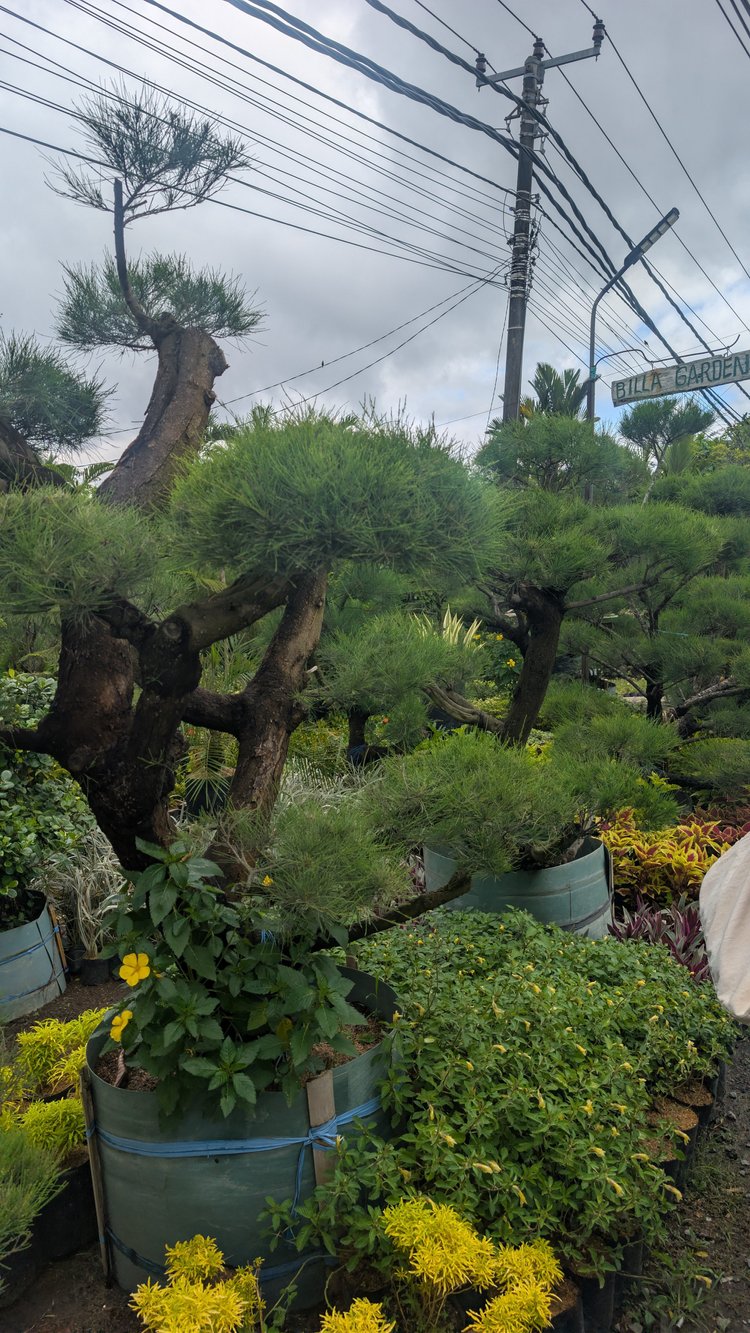
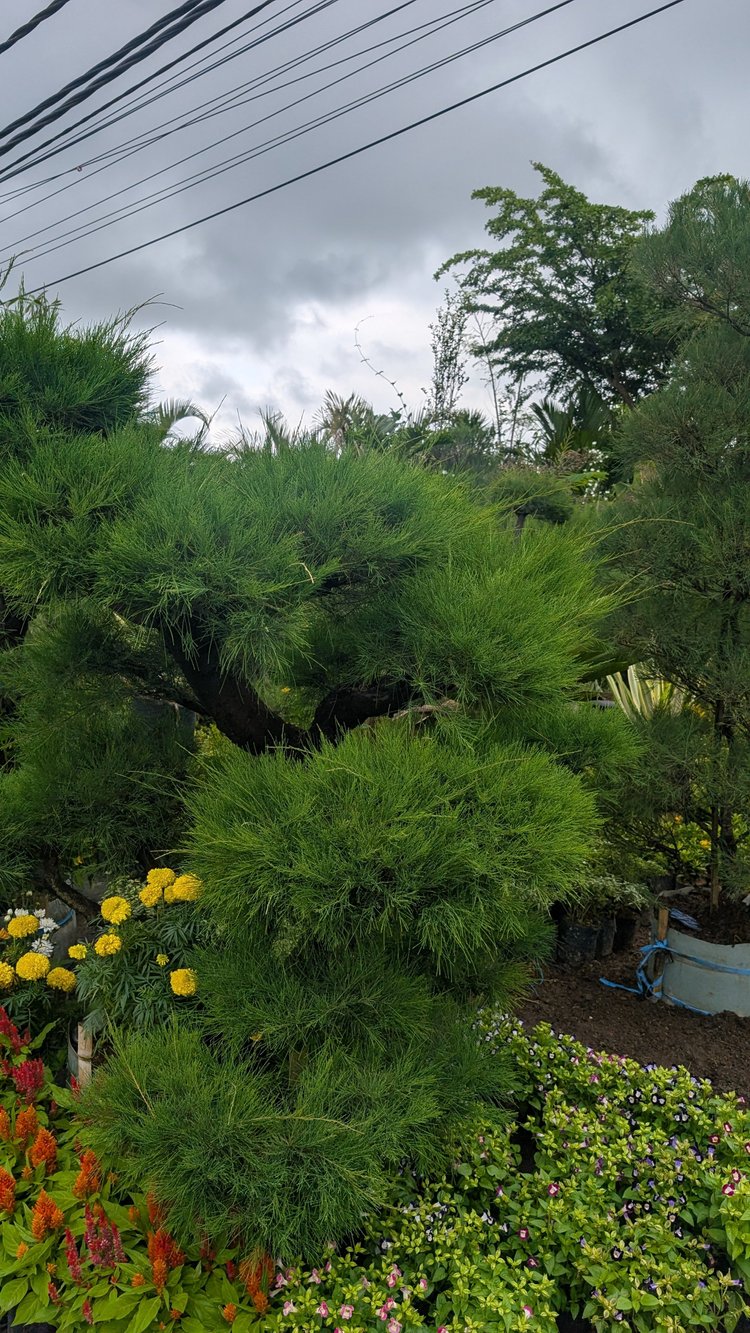
That patience is what stayed with me. A Bali garden isn't made in a day, and neither is a good Sydney one. Whether it's a single clipped tree at the front door or a shady courtyard full of ferns and crotons, the same rules apply: choose plants that suit the spot, give them good soil, and give them time.