

With Steve, founder of Farr Landscapes · Landscape design and garden care in Sydney since 1984
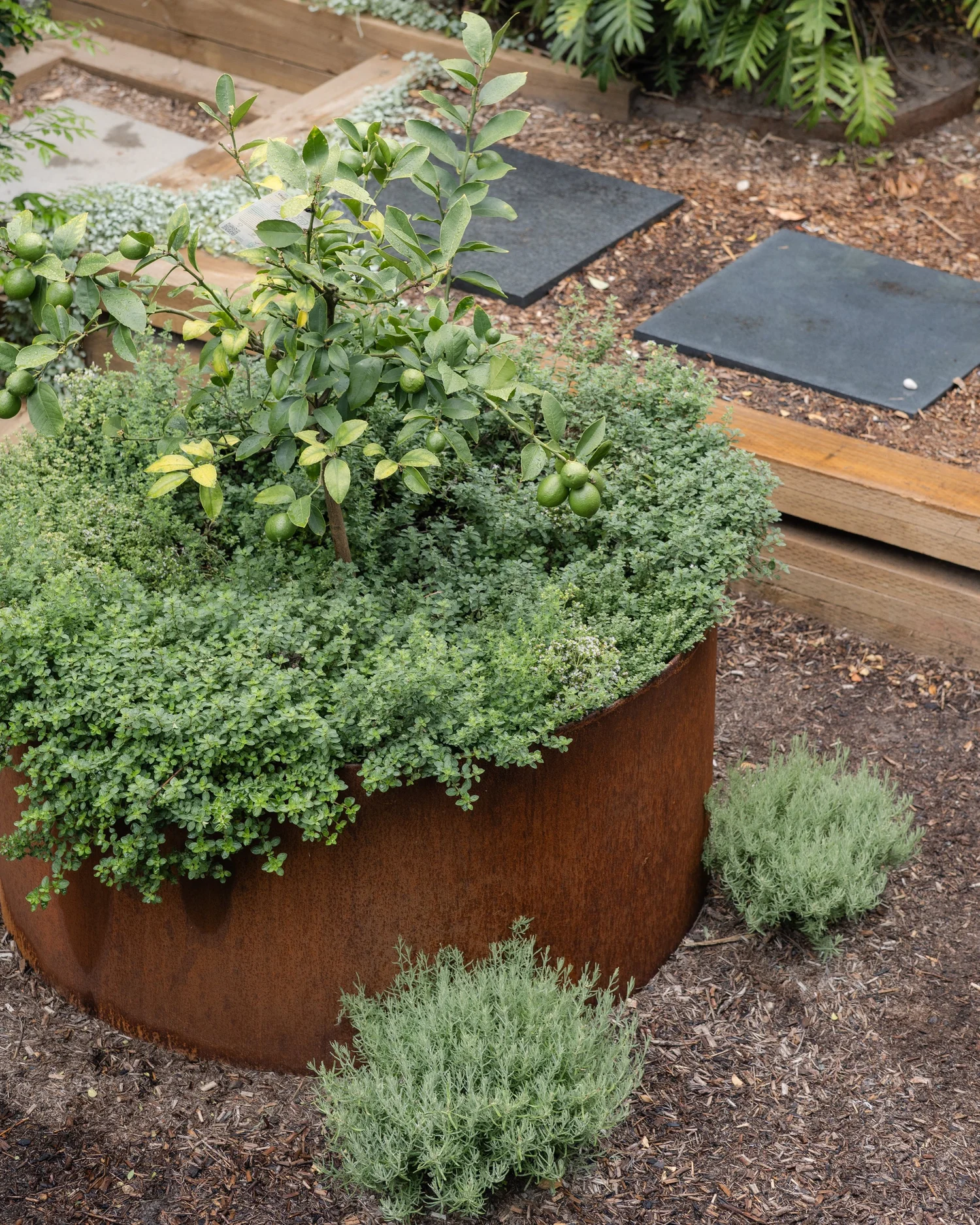
There’s something wonderfully rewarding about growing your own citrus: glossy leaves, beautifully perfumed flowers and bright fruit. And you don’t need a big garden. Citrus grow beautifully in pots on a courtyard, terrace or balcony.
They also have a rich history. In places such as Morocco, citrus were grown in pots and brought indoors when flowering, for their exotic perfume. That places them firmly in the world of interior and garden design, as much for their beauty as for their fruit.
Choose the right citrus for your space
- Lemons and limes: fantastic everyday choices for cooking, drinks and entertaining.
- Mandarins and oranges: mandarins are beautiful plants with striking fruit and sensational flowers, and compact oranges are becoming more widely available.
- Cumquats: especially ornamental, with small, vibrant fruit against glossy green leaves. Perfect for pots.
When space is tight, look for a naturally compact variety or one grafted onto dwarfing rootstock, and check its mature size before you buy.
Start with a good pot and excellent drainage
One of the most common mistakes is a pot that’s too small. Citrus need room for their roots, so choose a generous pot in proportion to the tree.
- Drainage is everything. Choose a pot with a large drainage hole, or several.
- Cover the holes with flyscreen. It keeps the potting mix in while letting water out, and works better than fabric.
- Never use a saucer. Citrus roots won’t survive standing in water.
Invest in the potting mix, and the plant
A good tree in poor potting mix is an uphill battle. Use the best potting mix you can, one that drains freely but holds enough moisture and nutrients.
Just as important is the tree itself. We work with a premier citrus grower here in Sydney and have great success with their stock. Avoid discounted, misshapen trees, or ones that have sat in their pots too long. You can usually tell by looking at them.
If it’s struggling in the pot at the nursery, give it a wide berth, no matter how big the discount. Start with great stock, great soil and great pots.
Steve, founder of Farr Landscapes
Sun, feeding and watering
Citrus are all about sunshine. Aim for six to eight hours of direct sun a day. A bright, sunny spot will always give better growth and fruit than a shaded corner.
They’re also massive feeders. Potted citrus can only reach the nutrients in their pot, and watering slowly washes some away, so feed regularly through the growing season with a citrus fertiliser, following the label.
Water by checking the mix, not the calendar. In hot weather a potted citrus may need water every day; in cooler months, much less. Water deeply and let the excess drain away. A layer of sugarcane mulch on top of the pot keeps moisture in and roots cool. Keep it clear of the trunk.
Keep an eye out for pests
Watch for citrus leaf miner, which leaves silvery trails and curled new leaves, and for sap-sucking harlequin bugs. Check new growth regularly. Prune off badly affected shoots and hose aphids away before reaching for a spray. There are organic ways to manage both, and we’re always happy to advise.
Watch for citrus gall wasp
Gall wasp is common around Sydney. It lays its eggs in young stems, which swell into hard, lumpy galls and weaken the tree. In winter, before the adult wasps emerge in spring, prune off any galls and put them in the rubbish bin, not the compost.
Yellow leaves? Here’s what they’re telling you
- Older leaves turning pale yellow usually means the tree is hungry, most often for nitrogen. Feed it.
- Yellowing between green veins can point to a magnesium or iron deficiency, or roots too wet to take up nutrients.
- Sudden yellowing and leaf drop after heavy rain or overwatering usually means waterlogged roots. Check the drainage first.
Repotting and the first fruit
Every few years a potted citrus will outgrow its pot or wear out its potting mix. Move it up a size, or refresh the mix, ideally in spring. On a young tree, it’s worth removing most of the fruit for the first year or two, so it puts its energy into roots and leaves.
Citrus don’t keep ripening once they’re picked, so leave the fruit on the tree until it tastes right. Colour isn’t always a reliable guide.
Common mistakes to avoid
- A pot that’s too small for the tree
- Cheap potting mix
- Roots sitting in a saucer of water
- Too little sun
- Underfeeding a potted tree
- Watering to a schedule without checking the mix
- Buying an unhealthy tree and hoping it recovers
A sweet return
One of our clients, whose garden we planted with a large number of potted cumquats, recently sent us jars of homemade marmalade from their harvest. Their trees are thriving. Choosing and potting trees like these is part of our plant and outdoor styling service.
Full sun, full feeding, and full marks for choosing a citrus.
