

With Steve, founder of Farr Landscapes · Landscape design and garden care in Sydney since 1984
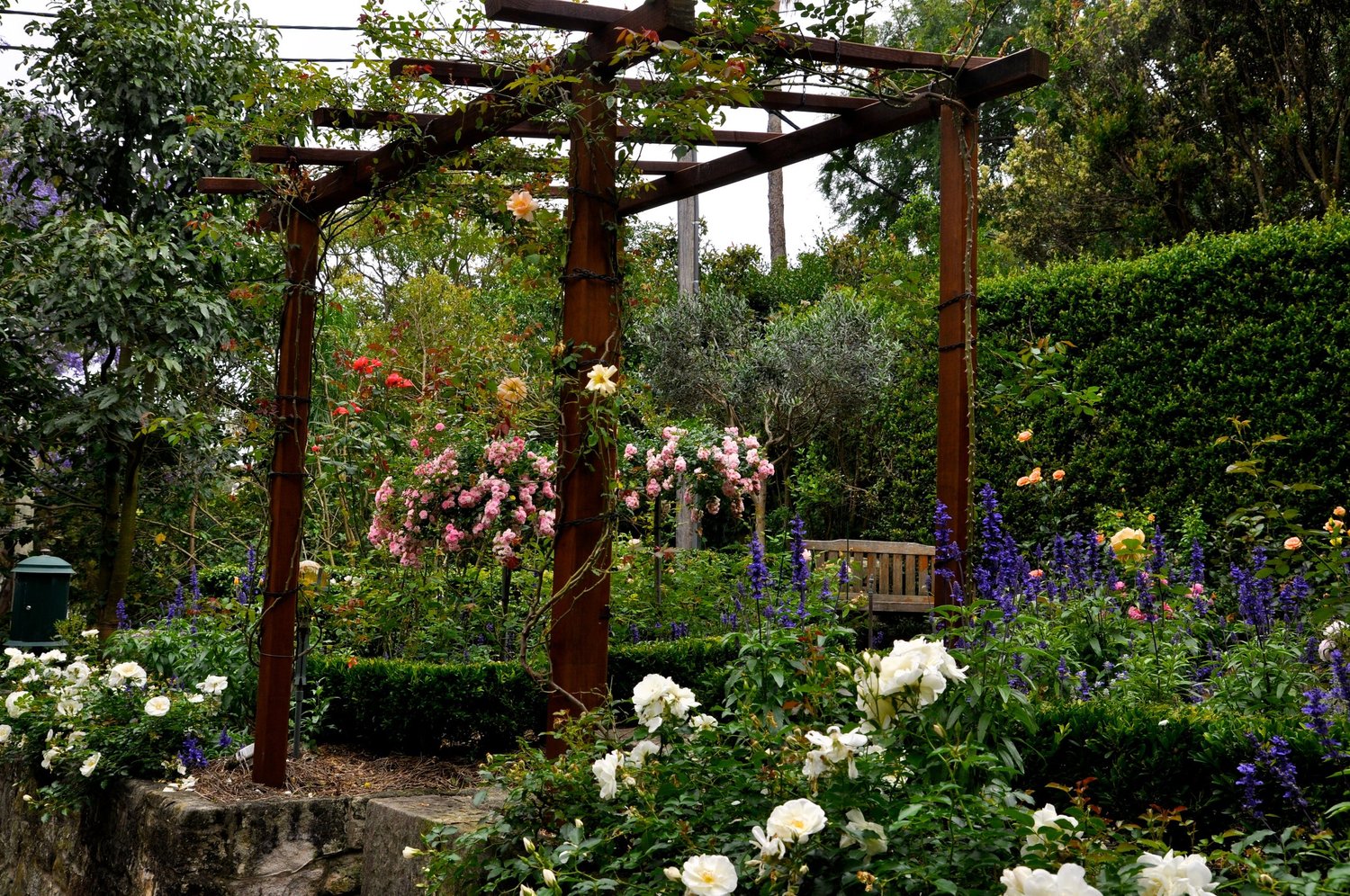
Few plants bring the same romance to a garden as roses, and that includes coastal gardens. Steve would happily put them in a tropical garden too. As he says, there’s no wrong combination. Despite their reputation, roses can grow beautifully in Sydney’s Eastern Suburbs and surrounds when you get the basics right.
Choosing roses for a coastal garden
Some roses handle the coast better than others. Rugosa roses are famously tough, coping with salt and wind, and many modern shrub and landscape roses have been bred for disease resistance. Ask your gardener for varieties with good resistance to black spot, which makes a real difference in Sydney’s humidity. And don’t overlook fragrance: a scented rose by the front door or along a path is a pleasure every day.
Sunshine is essential
Like citrus, roses come down to sunlight. They want at least six to seven hours of direct sun a day. Anything less gives them a hard time: weaker growth, fewer flowers and more disease.
Shelter from the wind
Coastal gardens add another challenge. Strong prevailing winds, including Sydney’s southerlies, batter stems and flowers and dry out the leaves. Choose a sunny spot with some shelter from the wind, but not so enclosed that air can’t move. Roses need airflow, especially in Sydney’s humidity.
Give roses room to breathe
A common mistake is planting roses too close together, or crowding them with other plants. Roses don’t like competing for nutrients, sunlight or water, and crowded leaves stay damp for longer, which invites disease.
Give each rose room to grow to its full size and keep the area around its base clear. Companion planting can work, as long as it doesn’t compete for water, food and light.
Planting a new rose
Winter is the traditional time to plant bare-root roses; potted roses can go in for much of the year. Prepare the soil well with compost, plant with the graft just above soil level, water in deeply and mulch, keeping the mulch clear of the stems.
Beating black spot in Sydney’s humidity
Sydney’s humidity can make black spot a real frustration. It shows up as dark spots on the leaves, followed by yellowing and leaf drop, and it weakens the plant over time.
- Water at the base, never overhead. A well-designed irrigation system makes this easy. If you do have to wet the leaves, water in the morning so they dry quickly.
- Give them space so air can move around the plant.
- Clean up badly affected fallen leaves.
- Try a gentle organic spray. Diluted full-cream milk is one of Steve’s favourite home remedies, and you can have a coffee while you’re at it. Test it on a small area first and avoid spraying in hot sun.
Aphids and other pests
Aphids love fresh rose buds in spring. Squash them, hose them off, or let the ladybirds and birds deal with them. If you do need a spray, choose a low-impact one and apply it in the cool of the day.
Feed at the right time
Feed your roses at the right times of year, ideally with organic products, and prepare the soil well before planting. Use a rose fertiliser through the growing season, following the label. Don’t overdo it: more fertiliser doesn’t mean more flowers, and too much encourages soft growth that pests love.
Prune boldly
When to prune depends on where you are in Sydney, but June is often considered the best time. Steve loves the old folklore about how to do it:
Give the rose a really good prune, then go inside and have a cup of tea. Come out and prune it really well. Have another cup of tea, then head back and really prune it well.
Steve, founder of Farr Landscapes
The point is to be bold, not hesitant. When pruning bush roses:
- Remove dead, damaged or diseased wood.
- Cut out crossing branches and any growth heading into the centre of the plant.
- Keep healthy, outward-facing stems so the rose opens up.
- Use clean, sharp secateurs and cut just above an outward-facing bud.
An open shape lets air move through the plant, which helps it establish and look its best. Climbers and some other roses need a different approach, so check your variety.
Deadhead, then enjoy
Cut away spent flowers to encourage new blooms and keep the plant open. Otherwise, leave the roses on the plant rather than cutting them, and enjoy them in the garden. Towards the end of the season, leave a few spent flowers on varieties that form hips, for colour into autumn. Sometimes the best thing you can do is put the secateurs down, sit back with that cup of tea and enjoy the flowers.
