

With Steve, founder of Farr Landscapes · Landscape design and garden care in Sydney since 1984
It’s one thing to create a beautiful garden. It’s another to keep it moving in the right direction. We’re privileged to look after most of the gardens we create, and it’s one of the most rewarding parts of what we do. As Steve puts it, we get to live with our sins and our victories (mostly victories).
Anybody can create a garden and walk away. But when you’re living with what you’ve created, you have a very different relationship with what you’re doing, and with the client.
Steve, founder of Farr Landscapes
From installation to ongoing care
Every new garden includes a period of care after installation. From there, we move fairly quickly into an agreed garden management plan, tailored to the garden and to how involved each client likes to be.
Horticulture and housekeeping
We think of garden care in two parts, and a great garden needs both.
Horticulture is the health of the garden: pruning, plant care, feeding, soil improvement, irrigation, lawn care and keeping an eye out for pests.
Housekeeping is presentation: clear paths, tidy beds, weeds and fallen leaves removed, and lawns and decks kept clean and inviting.
You can have healthy plants in an untidy garden, or a beautifully presented space where plant health is quietly slipping. Our aim is to bring the two together.
What a visit can include
For most of our clients, we cover every part of garden management:
- Pruning: consistent, and timed for flowering and growth
- Lawn care, including seasonal attention to pests and weeds
- Irrigation checks and seasonal adjustments
- Tree work
- Topping up seasonal colour
- Fresh mulch, compost and seasonal nutrients
- Organic sprays and soil conditioners where needed
- Clearing site drains and pressure cleaning
- Timber decks maintained and oiled
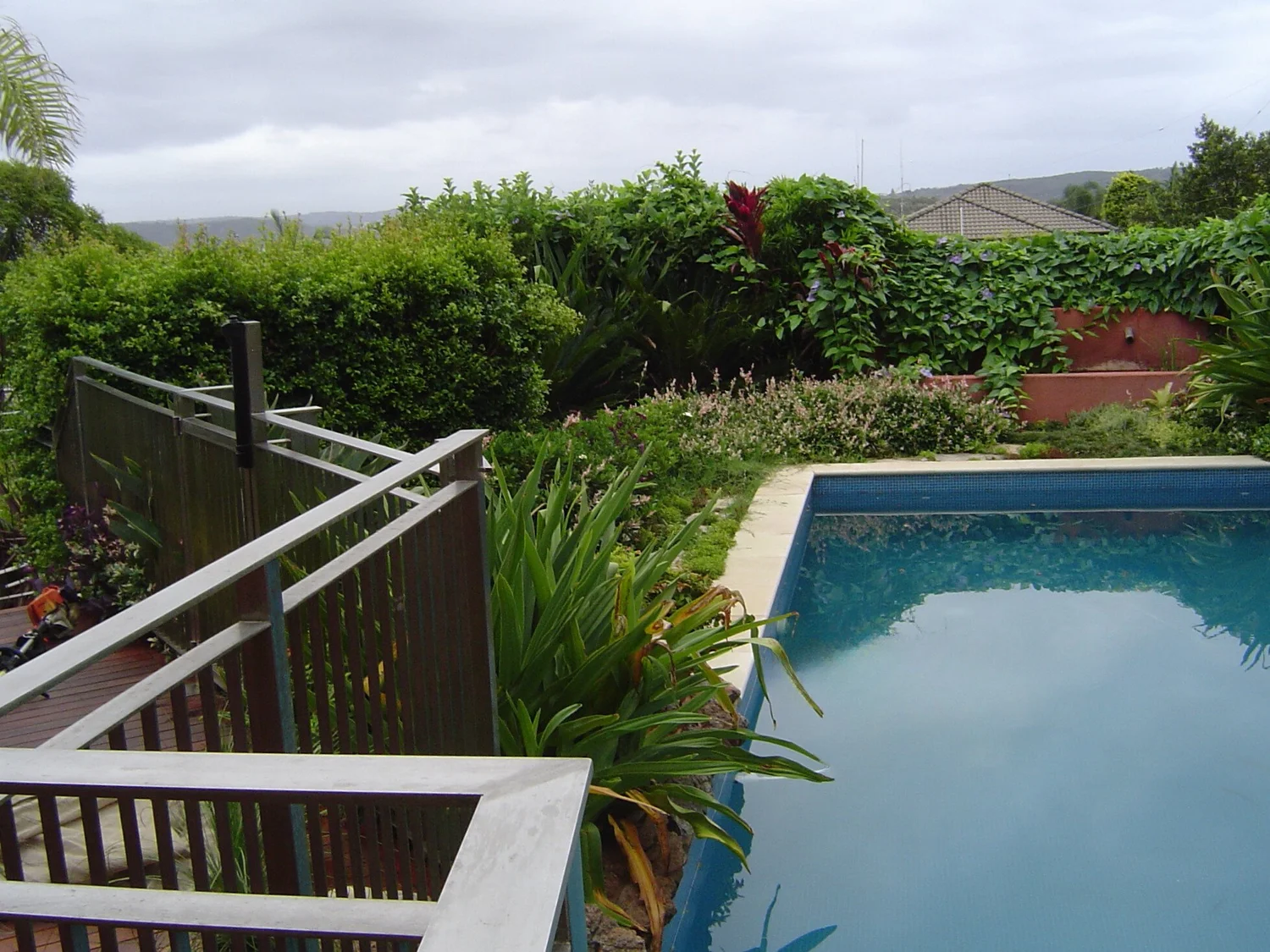
The work you see, and the work you don’t
Some of it is obvious straight away: a well-pruned tree, a freshly mown lawn, crisp edges and clean paths. Much of it happens quietly in the background. Sometimes the best work goes into what you can’t see, such as drainage and the soil.
A garden can look immaculate on the surface for a while, even as it struggles underneath. Great garden care pays attention to both.
Pruning at the right time
Pruning isn’t just cutting plants back when they look untidy. Every plant responds differently, depending on how it grows and when it flowers. Prune at the wrong time and you can lose the flowers; prune correctly and you keep the plant’s shape, health and display. The same goes for lawns, hedges and trees.
Lawns and irrigation through the seasons
Lawns can be one of the most demanding parts of a garden, especially through heat, heavy rain or during weed and pest season. Regular mowing, the right feeding and watering, and timely attention to weeds and pests keep them looking dynamic and vibrant.
Irrigation needs to change with the seasons, too. A schedule that suits summer can be far too much in winter, so we adjust it as the seasons turn. A blocked fitting or a broken lawn pop-up can leave one plant thirsty and another waterlogged. Regular checks catch these problems early.
How often should a garden be maintained?
It depends on the garden. A courtyard with pots and clipped hedges needs different care from a large garden with lawns and mature trees. It also depends on the client: some love gardening themselves and want help with the technical work; others prefer us to look after almost everything.
Lawns and pruning follow a regular timetable; other care is planned around the season. We work together to find the sweet spot where the garden is exactly where it needs to be.
A year of garden care
- Spring: feeding, fresh mulch, lawn renovation, irrigation checks and a close eye on pests as growth takes off.
- Summer: watering checks, regular mowing, hedge trimming and staying on top of pests in the heat.
- Autumn: a great time for planting, compost and feeding, and tidying up after summer’s growth.
- Winter: pruning roses and deciduous plants, structural work, drainage checks and planning for spring.
Questions to ask a garden maintenance service
If you’re choosing someone to care for your garden, these questions are a good place to start:
- Do they look after plant health, or just the tidy-up?
- Is there an overall plan for the year, or is it just visit by visit?
- What products do they use: what goes into your soil, and onto your plants?
- Do they have the experience to adjust the irrigation through the seasons?
- Will they keep you informed about what’s happening in the garden, and what might need attention soon?
Staying ahead of the curve
Regular care means small problems are caught before they become expensive ones: a pest building up, a blocked drain, a struggling plant or a faulty irrigation line. That’s why we favour programmed management rather than waiting until something looks wrong. At the right level, a garden can look as though it’s always at its peak.
As one client told us recently, it’s as if the garden fairies have been and sprinkled garden fairy dust everywhere.
Steve, founder of Farr Landscapes
