

With Steve, founder of Farr Landscapes · Landscape design and garden care in Sydney since 1984
We have a responsibility to the environment. As Steve puts it, we’re stewards of the earth we live on, and unless we take that seriously we’re heading in the wrong direction. It all begins at home and in the garden.
A garden is a living system
A garden isn’t just a collection of plants to keep alive. Healthy soil is full of natural bacteria, fungi, insects and earthworms, all working together to support growth. Hammer it with artificial chemicals and it struggles, in much the same way our bodies would.
The soil knows its way forward. Our job is to nurture it and give it what it needs. It’s at the heart of our philosophy: rather than constantly correcting problems after they appear, we create the conditions that help prevent them in the first place.
Health is best kept rather than reclaimed, and that’s the same in gardens as it is with our bodies.
Steve, founder of Farr Landscapes
Healthy soil is the foundation
We use organic products for what goes into the soil. Compost and organic matter build structure, help the soil hold onto water and nutrients, and give plants the right conditions to take those nutrients up. When soil is depleted or poorly prepared, roots struggle and plants become more vulnerable to stress, pests and disease.
Depending on the site, preparing the soil means adding compost, improving structure, remediating drainage and working in additional organic soil conditioners. You can read more in our post on soil and drainage in coastal gardens.
What an organic approach gives you
- Better soil structure, so it holds onto nutrients and water.
- Stronger roots and plants that establish quickly.
- Far fewer pests and diseases. Healthy gardens need much less pest control.
- Vibrant, dynamic gardens that keep improving over time.
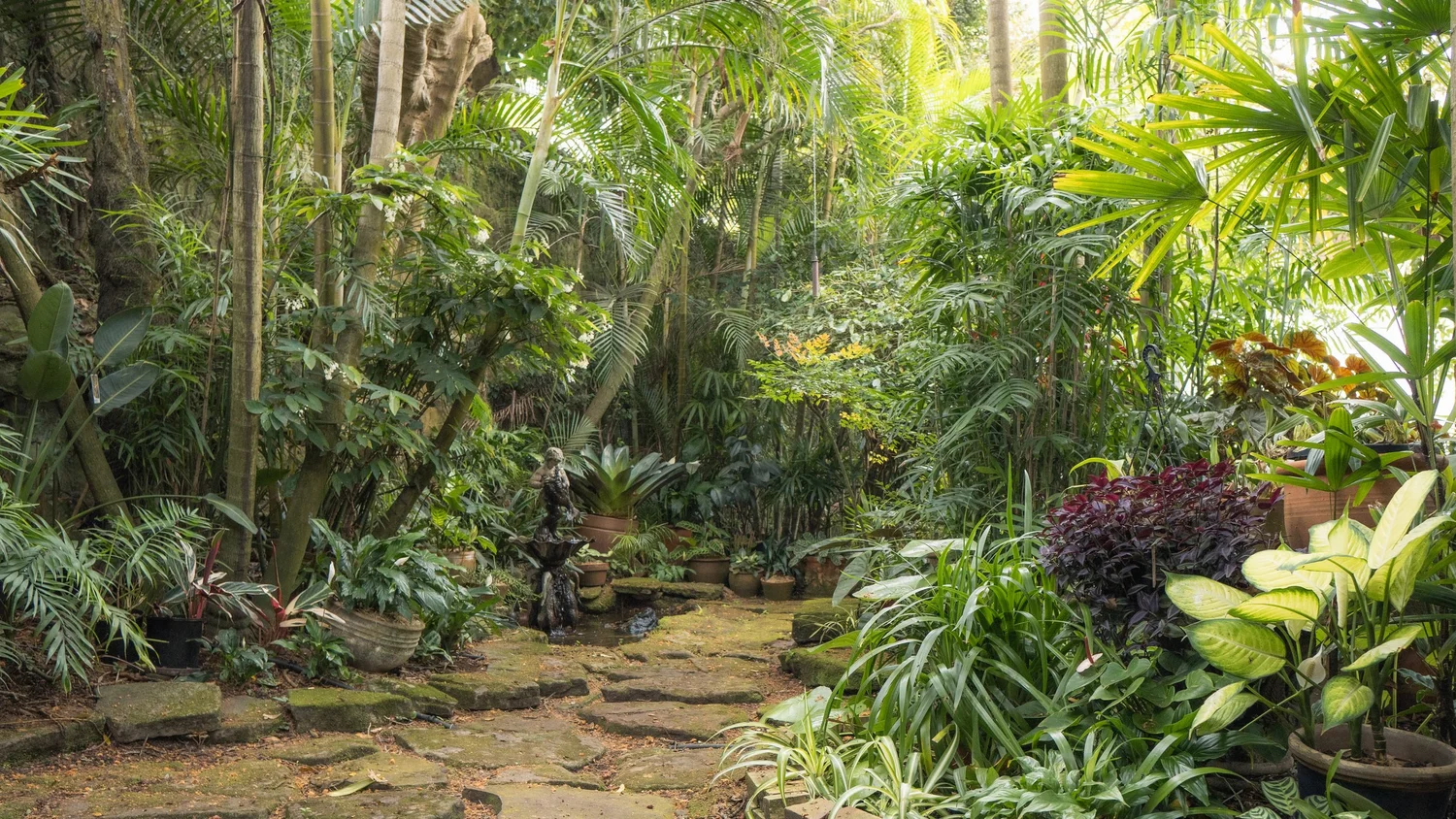
Minimal plant loss
In our business, we have minimal plant loss, because we nourish the soil before a plant goes anywhere near the garden.
Think of a plant leaving the nursery like a baby leaving the nursery for the big, bright, wide world. If it lands somewhere well prepared, there’s minimal shock. If it doesn’t, you get stress and plant loss, and replacing plants is expensive. Good garden practice is economical, and it’s how we approach every garden we maintain.
Why your new plant is struggling
There’s nothing worse than bringing a plant home from the nursery and watching it struggle. Nine times out of ten it comes down to soil preparation. Sometimes it’s the wrong plant, or the wrong spot. But mostly it’s the soil. Before doing anything, ask a few questions:
- Is the plant suited to its spot, and is it getting enough light?
- Is the soil too wet, or too dry?
- Are the roots healthy? Was the plant in good condition when it went in? Is it missing nutrients?
- Is a pest actually responsible, and how bad is it?
Fixing the cause usually works far better than treating the symptoms. Sometimes the answer is better drainage or a change in watering. Sometimes it’s removing affected growth, or a targeted organic treatment.
Working with nature, not against it
Beneficial insects play a big part in a healthy garden, and broad, indiscriminate spraying harms them along with the pests. By checking plants regularly, encouraging biodiversity and choosing the gentlest treatment that works, most problems can be managed without reaching for the strongest chemical.
An organic garden isn’t maintenance-free, and it won’t prevent every problem. What it does is give plants the resilience to cope, and make problems far easier to manage.
What we use instead
- Compost and manure mixes to build organic matter and feed the life in the soil.
- Natural mulches such as sugarcane and lucerne, which protect the soil and break down into it.
- Organic root stimulants, such as seaweed-based products, at planting and when plants are under stress.
- Organic fertilisers, which release nutrients steadily rather than all at once.
- Low-impact pest controls, such as horticultural oils and soap sprays, used only when needed and only on the pest they target.
Invite the good bugs in
Ladybirds, hoverflies, lacewings and tiny predatory wasps eat aphids, mites and caterpillars. Birds, lizards and frogs help too. A garden with a mix of flowering plants, some native shrubs, a shallow water source and fewer sprays will attract them, and they’ll do a lot of your pest control for you.
Is organic gardening more expensive?
Not necessarily. Some organic products cost a little more, but money spent on the soil, the right plants and preventative care saves on replacements and corrective work later. For homeowners, that means fewer disappointing trips back to the nursery. Over the life of a garden, it’s often the more economical path.
Start in your own backyard
- Prepare the soil well before planting.
- Choose plants that suit the spot: its light, wind and space.
- At planting, use an organic product that stimulates roots and soil biology. It’s readily available at most garden centres.
- Keep an eye on the garden and respond to problems early, and gently.
It’s not rocket science, it’s plant science.
Steve, founder of Farr Landscapes
